Play allows for the formation of foundational learning for children in their early years.
It is known as their work and from birth, types of play changes based on developmental milestones.
While we know that all children grow in their own time, with the life experiences they are offered, we also know the importance of offering play episodes to allow for learning to take place.
Curriculum programs consist of learning moments that are embedded in familiar routines and rituals. Educators spend time, effort and energy coming up with new ways for children to learn through play. They set up learning environments and capture children's interest through songs, stories and games.
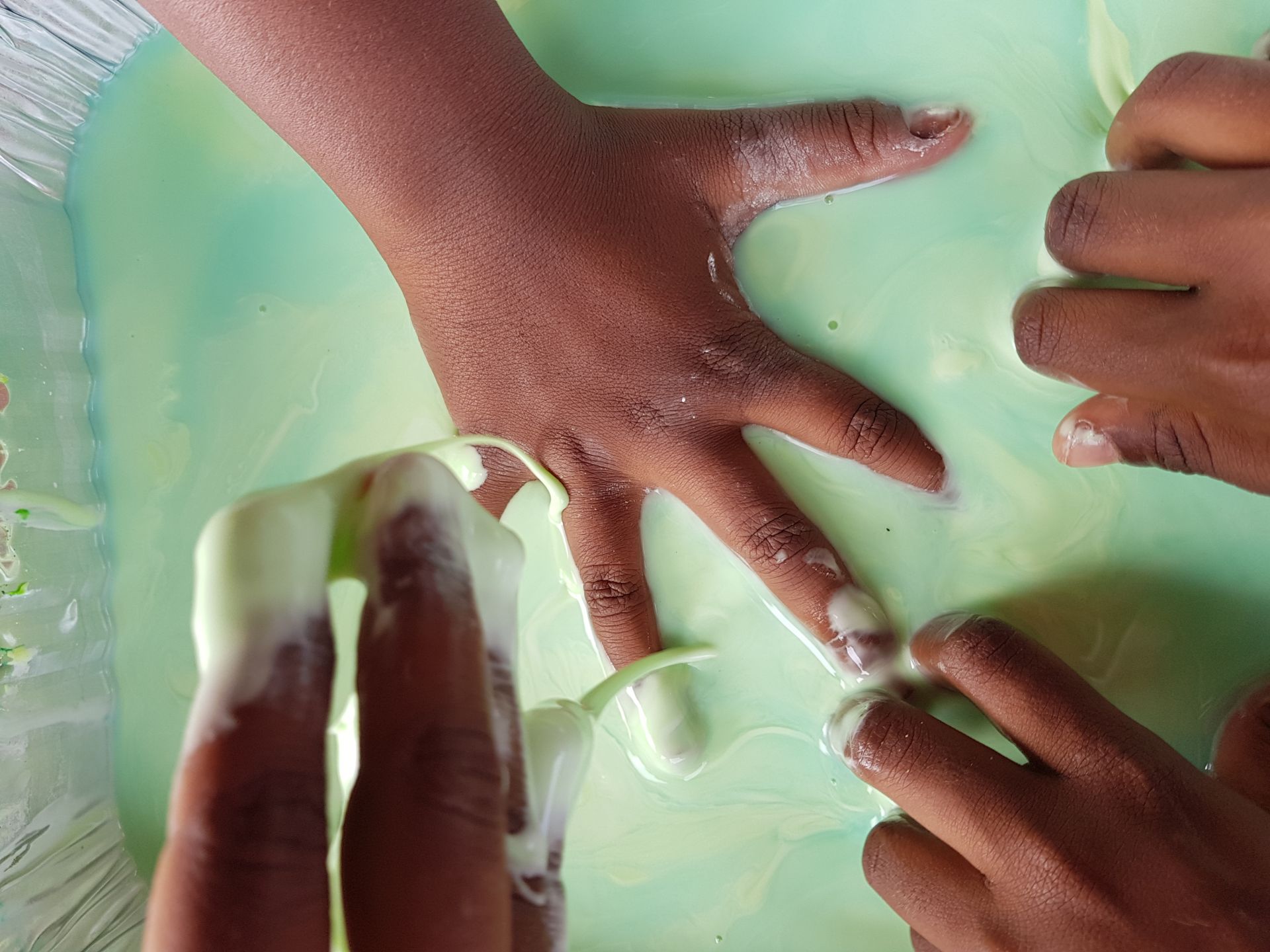
What does play feel like?
What sounds are present during play?
What does play smell like?
How does play make us feel?
Play isn't something that disappears once we are adults.
Play continues throughout our entire lives.
As adults though, we give play a different name; maybe an interest or hobby.
Play incorporates feelings like relaxation, happiness and more.
To nurture wellbeing in adults, should we be nurturing wellbeing in children, allowing them time and space to experience an array of feelings within play?
From an Aboriginal Perspective play is fostered in the right time and place.
Play allows children opportunities to build relationships within their community, and with their environments, when the time is right.
Play involves giving children a voice, and validates their rights for inclusion.
When offering play to children, consider longlines, connections to Country and ways that stories can be shared in authentic and fun ways.